


What is androgenetic alopecia?
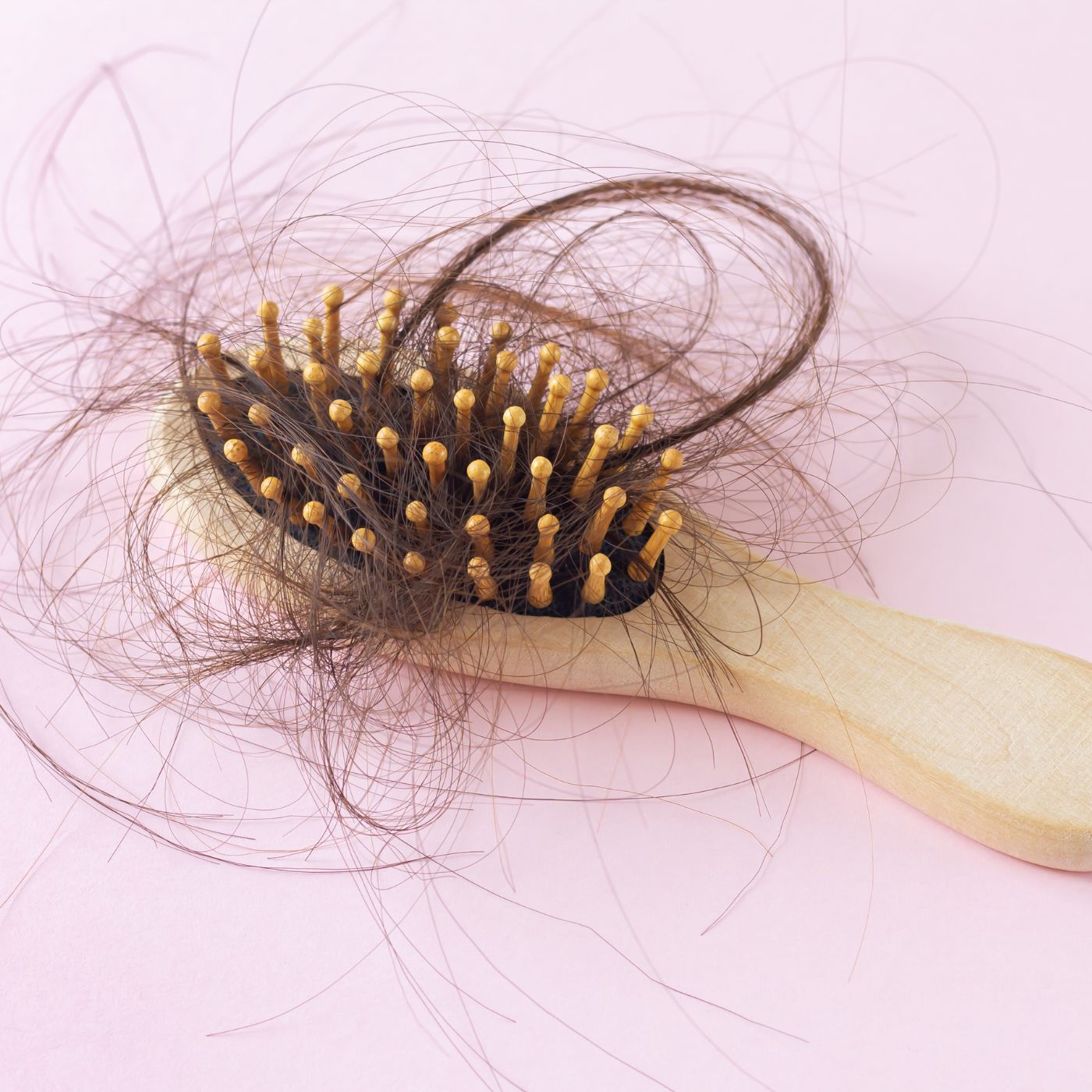
Androgenetic alopecia is the medical term for hair loss caused by an excess of androgens or an increased sensitivity to testosterone and its metabolites. Approximately 90% of cases of hair loss in women* are due to androgenetic alopecia. About 30% of women have experienced this form of hair loss by the age of 50.
What happens in hormone-related hair loss?
As the name suggests, androgenetic alopecia is genetically predetermined in most cases. The hair follicles of terminal hairs (read here about the difference between terminal and vellus hair) are extremely sensitive to DHT, a metabolite of testosterone that is produced directly from testosterone by an enzyme in the hair follicle. If the hair root is genetically very sensitive to DHT, the anagen phase of the hair is shortened - the lifespan of the hair is reduced, and the hair thins, with terminal hair turning into vellus hair.
Instead of a new hair growing in the follicle after the telogen phase, the follicle now degenerates. No more hairs can grow from it.
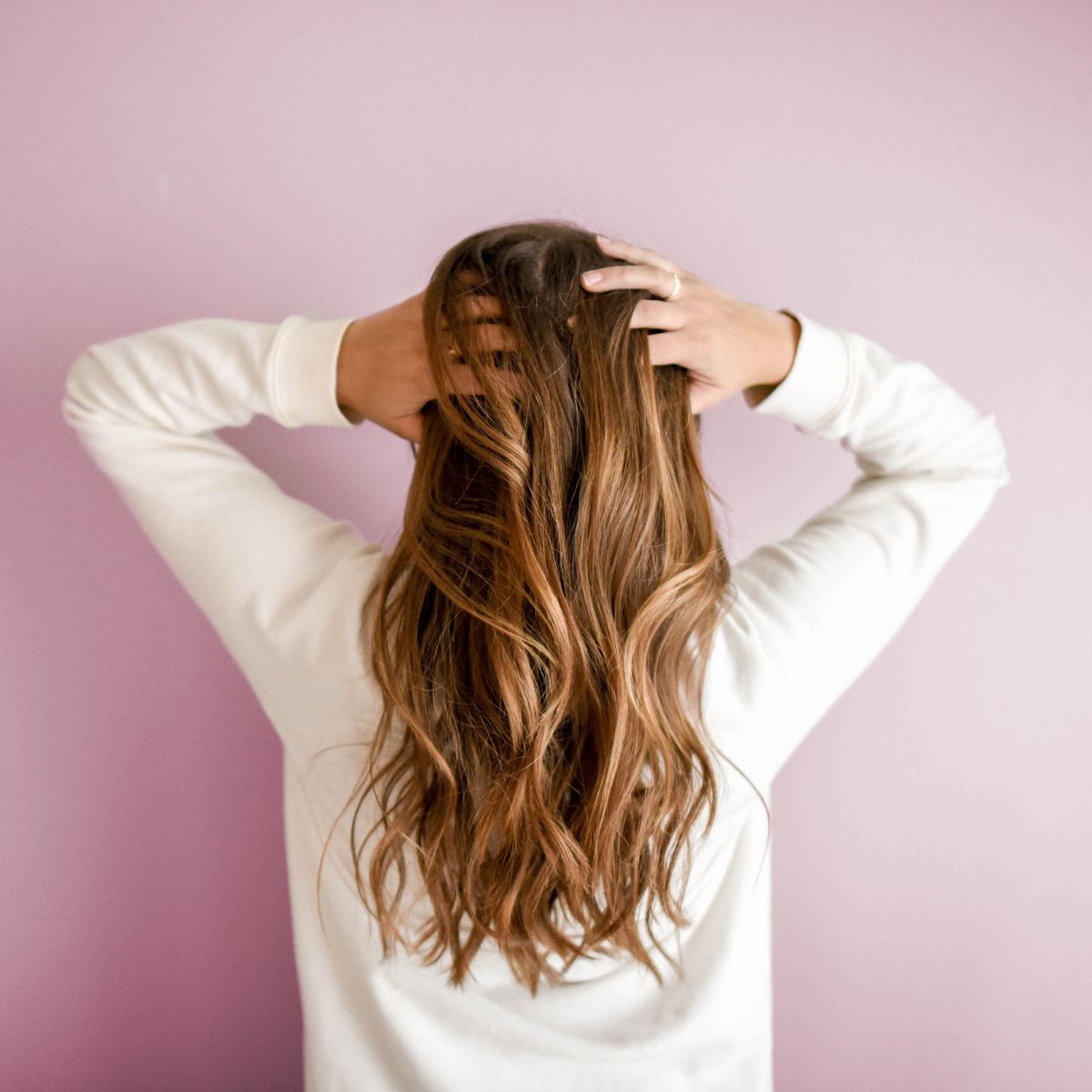
This thinning of the hair becomes particularly visible at the parting. The front hairline usually remains intact, and not all the hair falls out. Nevertheless, those affected experience cosmetic distress.
Hair loss after stopping the pill
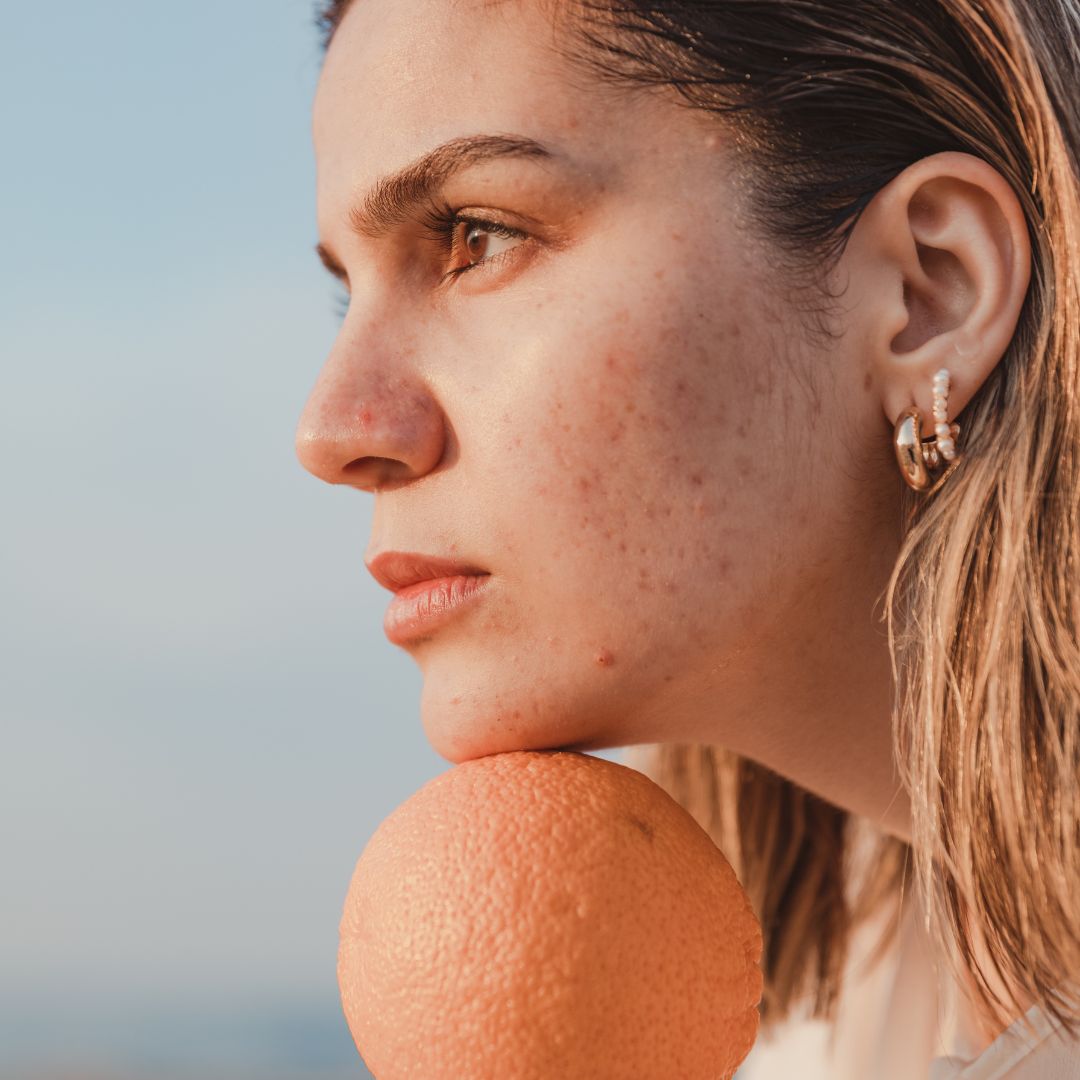
Unfortunately, there are also forms of androgenetic alopecia that are not genetically inherited, but are caused by an excess of androgens, e.g. by an androgen rebound after stopping the pill. In about one-third of women* affected by alopecia, hair loss can be attributed to this cause. The excess testosterone effectively floods the hair follicle with DHT, leading to the effects described above. In addition, those affected also suffer from other unpleasant effects of excess testosterone, such as skin blemishes or the conversion of vellus hair into terminal hair. This symptom is called hirsutism; thick, dark hairs grow in areas that are typically considered male (chin, below the navel, on the face, etc.).
Polycystic ovary syndrome (PCOS) is also associated with hair loss. Here, in addition to excess testosterone, chronically elevated insulin levels are relevant. For this reason, diet is also a decisive factor in the treatment of alopecia.
Other causes of hormone-related hair loss
In some cases, hormone therapy is unavoidable. If the distress is too high, you can discuss this with your gynecologist. They can also find out whether your hair loss might actually have another cause. After all, this symptom also occurs in cases of hypothyroidism or hyperprolactinemia. Furthermore, an estrogen deficiency or a drop in this hormone can also be a cause. Estrogen has a protective effect on the hair follicles. This is, for example, the reason why hair looks particularly full and healthy during pregnancy when estrogen levels are high, and then often falls out massively after pregnancy when estrogen levels suddenly drop. Hair also thins due to the drop in estrogen levels during menopause, even if this is caused prematurely by a hysterectomy. Here, in addition to synthetic estrogens, phytoestrogens from plant-based foods can counteract this.
And what can I do if hair loss is already happening?
Since the already damaged hair follicles cannot be repaired, you should focus on the still healthy hair.
First, find out whether you have an excess of testosterone and what is the best way to regulate it - here you should decide for yourself whether you trust plant-based active ingredients or whether you prefer to seek hormone therapy. It is your body, and you can choose the therapy that gives you sufficient peace of mind.
Then you should take good care of the healthy hair. Try to avoid chemical dyes. Hot-air drying also seems to be bad for the hair structure.
Something new more often? A good hairdresser can advise you on which hairstyle suits your hair structure. This way, if it feels better to you, you can conceal thin areas. Does the hair loss not bother you visually at all? That's great too! Choose the option that makes you feel good!
Oil provides important nutrients and is supposed to have an antioxidant effect on the scalp. For this reason, it is recommended to massage argan or olive oil into the scalp overnight and rinse it out the next morning. Since olive oil is already available in many households, it can't hurt to try.
Try a hair rinse made from medicinal herbs. You can prepare commercially available chamomile or nettle tea as usual and, after it has cooled, pour it over your hair and scalp as a post-wash treatment. This is also supposed to work with coffee, a good reason not to throw away cold coffee!
You can also make the classic acidic rinse with diluted apple cider vinegar. Pour the mixture over your scalp after washing and massage it in slowly without rinsing it out.
Enjoy foods rich in zinc, biotin, iron, and B vitamins. A healthy plant-based diet is rich in vitamins and minerals. Oats, whole grains, nuts, seeds, leafy green vegetables, and more are rich in the micronutrients that are so important for hair health. Fenugreek is supposed to work wonders both from within and as an external hair mask.
There are many other home remedies for hair loss and healthy hair, ranging from garlic masks and birch water to parsley rinses. There is certainly something for everyone.