


Testosterone, also “The Rock” among hormones, is known by many as the male hormone. Although men have more testosterone compared to women, it plays an equally important role in both sexes.
This is because testosterone is involved in numerous processes in the body. These include:
- Muscle and bone growth
- Sebum production in the skin
- Hair growth
- Mood and libido
- Voice pitch
- Growth of the genitals and fertility
- Stress regulation
Due to this multitude of metabolic processes in which testosterone is involved, an excess can accordingly lead to a multitude of side effects.
The most common symptoms are oily skin and hair, hair loss, acne, or abnormal hair growth.
But let's start from the beginning.
What exactly is testosterone?
Testosterone is the best-known steroid hormone from the class of “androgens”. Androgens are those hormones that are responsible for the development of male sexual characteristics.
These include, for example, DHEA (the “anti-aging hormone”), DHEA-S, androstendione, and DHT (dihydrotestosterone).
Biologically, testosterone and especially DHT are particularly active.
All androgens act in most organs only after they have been converted into DHT. For example, in the skin, DHT is the culprit in sebum production, not testosterone.
Where is testosterone produced?
Like all androgens, testosterone is produced in the adrenal cortex and the ovaries, but mostly from precursors in the body.
Of all the testosterone produced, only about 1% is active in a healthy woman of reproductive age. How can that be? Whether testosterone is active or not depends on whether it is bound to a transport protein, in most cases to “Sex Hormone-Binding Globulin (SHBG)”. If testosterone is bound to SHBG, it is inactive.
Testosterone excess after stopping hormonal contraceptives
A small note: The causes of elevated androgen levels are very diverse and can also be attributed to a wide range of clinical syndromes. These include, for example, “Polycystic Ovary Syndrome (PCOS)”, “Hyperthecosis”, “Adrenogenital Syndrome (AGS)”, or hydroxylase defects.
However, this blog post will focus on the elevated testosterone levels after stopping hormonal contraceptives. This is because they are usually due to the following causes:
1. The androgen rebound effect
a.k.a. the “I – get – pimples – and – hair loss – after – stopping – the – pill – effect”.
The ingredients of the pill have an antiandrogenic effect, meaning they lower testosterone levels. Depending on what kind of pill is taken, this effect occurs more or less strongly.
Synthetic estrogens and especially “ethinyl estradiol” (contained in most pills) boost the production of SHBG by 2-3 times, whereby more testosterone is bound and inactivated.
All pills also contain progestins, i.e., synthetic progesterone. Progestins additionally block testosterone production in the ovaries and adrenal glands. Some types of progestins act extra antiandrogenically by blocking the receptors for testosterone and DHT.
Both the estrogens and the progestins can therefore reduce testosterone production. Less (active) testosterone = less effect on the skin and hair roots = the reason why some women get beautiful skin and hair by taking the pill.
When taking hormonal contraceptives is now stopped, the production of testosterone is stimulated again. At the same time, the “suppression” of testosterone by the pill is removed, which can lead to elevated testosterone levels.

2. Insulin and blood sugar problems
However, there is one exception: the ovaries. They do not become insulin resistant, but continue to react readily to insulin. Insulin stimulates testosterone release in them and additionally inhibits the formation of SHBG, whereby more active testosterone is available – double trouble.
The effect of testosterone on skin and hair
Good, we now know that elevated testosterone levels can occur after stopping hormonal contraceptives.
But what does testosterone have to do with the skin and hair?
The sebaceous glands in the facial area, chest, and upper back develop under the influence of testosterone and DHT. They are extremely sensitive to DHT and produce more sebum in excess, which can lead to pimples or acne.
With hair, it unfortunately gets a bit more complicated. Some of it is also androgen-dependent, although there are different types of hair follicles. Some are not dependent on testosterone, some on low testosterone concentrations, and some on high testosterone concentrations. Simply put: testosterone excess causes hair to fall out in some areas of the body and grow more in others. And you can probably guess: this happens exactly where you don't want it.
The growth of hair in the nose, ears, and chest, as well as beard growth, for example, depends on higher androgen concentrations. In other words, the more testosterone, the more hair growth in these areas.
The growth of head hair, on the other hand, depends on low testosterone concentrations. An excess of testosterone therefore leads to hair loss.

Tips for pimples and hair loss after stopping the pill
We now know where the annoying problems after stopping the pill come from. This may not have been particularly exciting for some, but it is important to understand how to best support the body. Since the problem lies inside the body, we must start exactly there. And even though many companies promise the solution, it is NOT the 100th overpriced cream that makes all blemishes disappear overnight.
DO:
1. Regulate insulin and blood sugar levels
As described above, insulin can drive testosterone levels up, and generally, high insulin and blood sugar levels are often a problem with hormonal issues.
For this, it is important to eat enough fat (especially omega-3 fatty acids) & protein and to eat regular meals.
2. Support and detoxify the liver
The liver is where testosterone and DHT are inactivated and made water-soluble, so they can ultimately be excreted. Since the liver is already overwhelmed by the sometimes years-long intake of the pill, it makes sense to support it.
For this, it is recommended to ensure adequate nutrient intake, include bitter substances in the diet, use plant extracts such as milk thistle or L-glutathione, drink at least 2 liters a day, exercise enough, and occasionally do liver wraps.
3. Include certain foods in the diet
There are some foods that contribute to lowering testosterone levels and can be included in the diet:
- Freshly ground flaxseed: They are not only a great source of omega-3 fatty acids, they can also increase SHBG and thus bind excess testosterone.
- Green tea: Studies have also shown that green tea can contribute to an increase in SHBG levels.
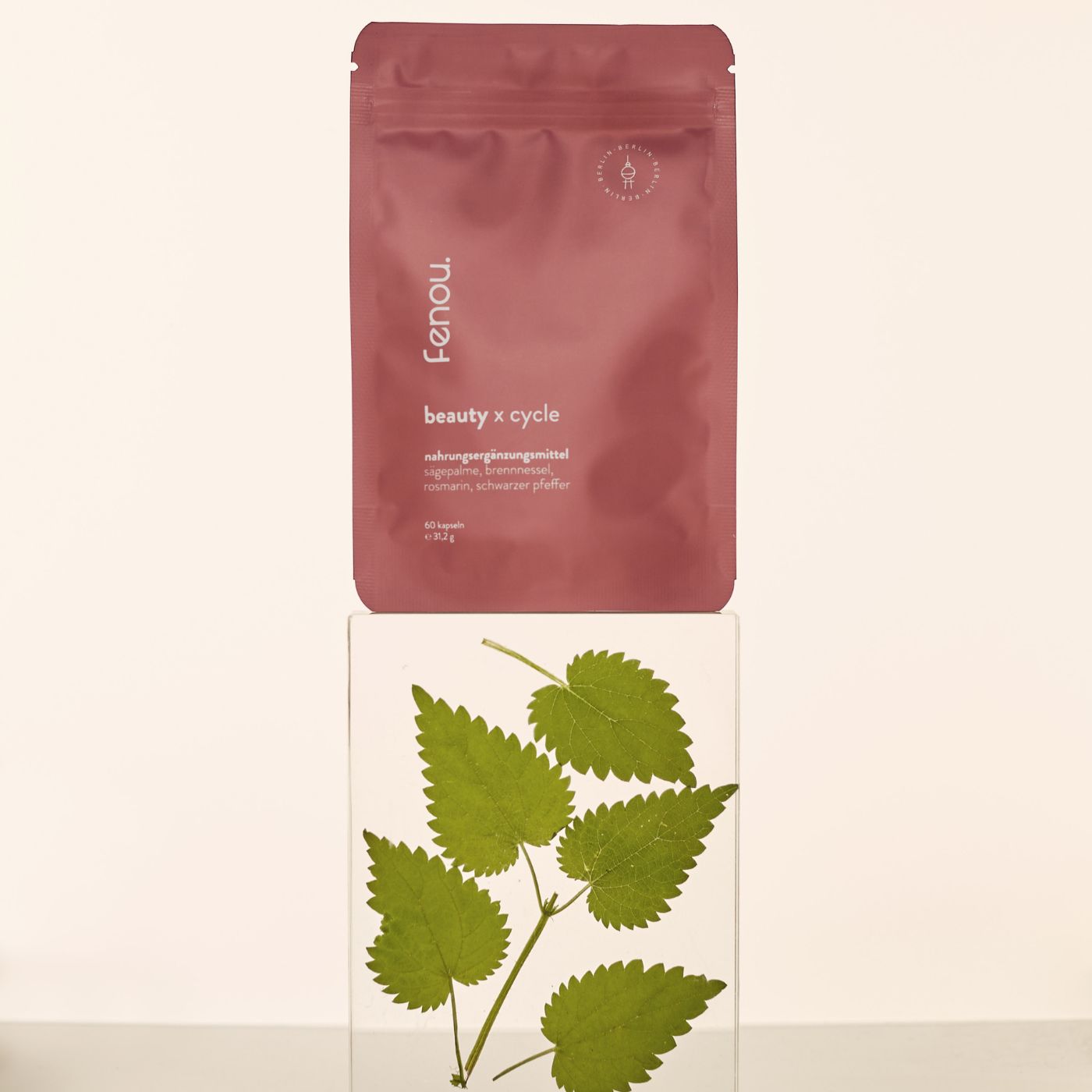
- Pumpkin seeds & nettle: Several studies have shown that both foods can prevent the conversion of testosterone into active DHT.
- Turmeric: The active ingredient curcumin contained in it is credited with anti-inflammatory and liver-protective properties.
4. Dietary supplements
- Zinc: Zinc supports the maintenance of normal skin and hair & additionally contributes to the regulation of testosterone levels. Studies have shown that regular zinc intake can alleviate acne and that patients with acne often have a zinc deficiency.
- Magnesium: Magnesium is the key to controlling insulin production and thus has an influence on testosterone levels, the ovaries, and the adrenal glands.
- Vitamin B6: Contributes to the regulation of the hormone balance. Studies have also shown that in deficiency, the molecule “Xanthurenic acid” is elevated, which in turn has a negative effect on insulin levels and has demonstrably led to diabetes.
- Saw palmetto: Has shown in a series of studies that the conversion of testosterone into active DHT can be prevented.
DON‘T:
1. Stress
Chronic stress and inflammation stimulate the adrenal glands, which release DHEA in addition to the stress hormone cortisol. DHEA can in turn be converted into testosterone.
2. Certain foods can negatively affect testosterone levels
- Too much coffee: Triggers a stress response in the body.
- Sugar: Increases blood sugar levels and can lead to insulin resistance with excessive consumption.
- Alcohol: Not only triggers a stress response in the body and robs it of magnesium, alcohol additionally burdens the liver, which is important for the excretion of testosterone.
- Dairy products: Have a pro-inflammatory effect, are often themselves hormone-laden, and influence your own hormone balance.
3. Endocrine disruptors
A list of substances that strongly resemble your own hormones and can block receptors. They can negatively influence the hormone balance, including the testosterone level.
They are found, among others, in conventionally grown fruit and vegetables (pesticides, insecticides), plasticizers, cosmetics, detergents, plastic packaging, and plastic dishes.
You can find a list of all endocrine disruptors and their occurrence in the information sheet of the German Statutory Accident Insurance.
Tip: With the CodeCheck app, food, cosmetic products, & co can be scanned and checked for hormone-active substances.
Conclusion
The topic of testosterone excess is very complex, and the consequences such as pimples and hair loss cannot be eliminated overnight with an ultimate tip. Generally, it is important to give the body some time to come back into balance after taking synthetic hormones. However, it can be very well supported with changes in diet, lifestyle, and dietary supplements, so it can reach the goal faster.
If you have another great tip or would like to share an experience, feel free to write it in the comments!