


TRIGGER WARNING: Discussion of suicidality
Did you know that for some menstruating people, the days before their period feel like a ride through hell? They don't “just” suffer from PMS symptoms, but are either so depressed that they isolate themselves and are unable to function normally in society or—at the other extreme—so aggressive that physical altercations during this time threaten their relationships and families? These women* suffer from PMDS—premenstrual dysphoric disorder—characterized by low mood and aggression before their period.
Severe aggression and low mood before the period—diagnosis: PMDS
PMDS—premenstrual dysphoric disorder—is the particularly severe form of premenstrual syndrome (PMS), in which the psychological symptoms, such as irritability, depression, aggression, or impulsivity, are extremely pronounced. So severe that the affected person's emotional life is completely incapacitated for several days. And so severe that the person is “unrecognizable” and there are serious impairments in their normal life. This includes, for example, loss of control such as outbursts of rage that affect their social life and work situation, and even physical attacks on their partner* or children. In some affected people, increased suicidality is observed during these days [1]. As soon as their period starts, everything goes back to normal—an emotional rollercoaster.
Can you find it hard to imagine? Read some very personal insights into the condition in our interview with three affected people.
What causes PMDS?
About 10–15% of menstruating people suffer from PMDS, and 5–8% experience the most severe form of this syndrome [2]. It is important to distinguish this disorder from a physical illness. PMDS appears to be more of a psychoendocrine dysfunction. The occurrence of PMDS is therefore determined by an interplay of psychological, hormonal, and neuronal factors that occur cyclically.
Various possible causes have already been discovered. A genetically determined hypersensitivity to sex hormones is particularly likely. Especially after ovulation, an imbalance of sex hormones occurs in the second half of the cycle—particularly the combination of progesterone production and a drop in estrogen appears to play a key role. Interestingly, however, the hormone levels in the blood of affected people are usually within the normal range [3]. This also explains why the birth control pill, which suppresses the normal menstrual cycle, helps many affected people.

PMDS caused by a serotonin imbalance
Update March 2023: A recently published study shows new findings in the research on causes. In people with PMDS, the density and release of a specific protein are higher during the luteal phase than in unaffected people. This is a serotonin-binding protein that transports free serotonin into cells. As a result, the concentration of effective, circulating serotonin decreases—with direct effects on mood and mental state. The higher the density and release of the binding protein, the more severe the depressive episodes [4].
Can PMDS be treated?
PMDS should be treated by a doctor so that affected people can lead a nearly normal life during the time before their period. This can also help prevent self-harm or harm to others. High-estrogen contraceptives and/or antidepressants that improve serotonin uptake are often used for this purpose. However, it should be noted that taking strong medications and hormones is not an option for everyone, as they can often cause side effects that lead to problems elsewhere.
This is why it is important to counteract the psychological component with targeted measures, either alternatively or at the same time. Knowledge of the role of serotonin provides very good starting points.
In the second half of the cycle, sex hormones influence the effect and release of neurotransmitters, which are hormonal substances responsible for transmitting information in the brain. Serotonin, the “happiness hormone,” is particularly affected: after ovulation, it steadily decreases, and its release is lowest just before menstruation.
Strengthen self-efficacy
Some affected people can reduce the severity of PMDS by making lifestyle changes. There is no guarantee of success, but it is always worth a try, as these examples generally have a positive effect on the female cycle and overall health.
- Exercise or sufficient physical activity can stimulate the production of endorphins, the body's own happiness hormones. Exercise also promotes the release of serotonin.
- Establishing a routine for stress management, relaxation exercises, and mindfulness can help cope with difficult feelings and thus lead to greater self-efficacy. You can choose what suits you and your life best: yoga, qi gong, tai chi, or perhaps meditation, autogenic training, or a mindfulness journal? You decide what works for you.
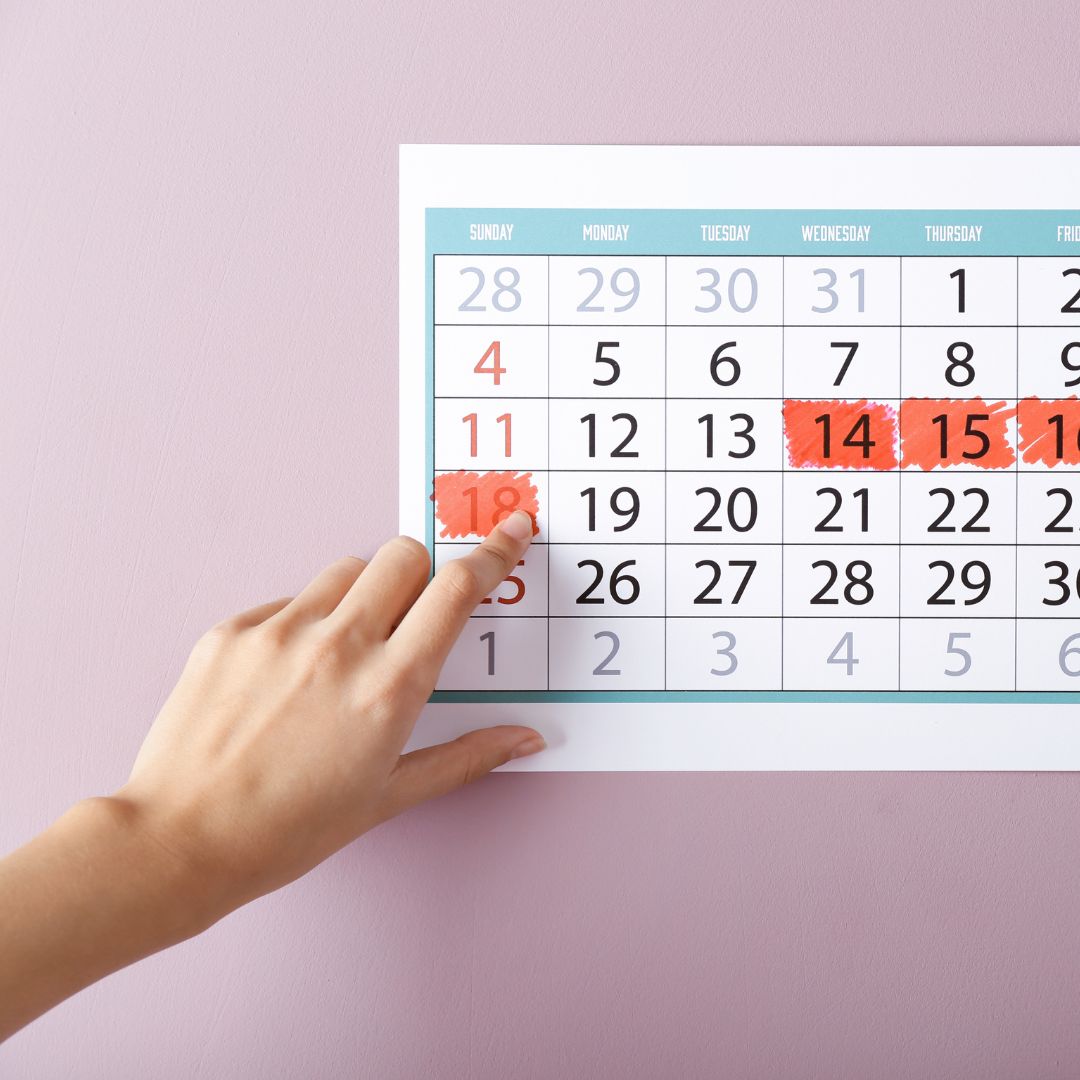
- At the beginning, it can already help to develop a greater understanding of yourself and your situation. Why not start with a cycle diary to make the connections between emotions, the phase of your cycle, and the effects of stress visible? If you understand yourself better, you can be kinder to yourself—and that, in turn, reduces stress!
Nutrition for PMDS
It is good news for many reasons that science is gradually uncovering the mechanisms behind PMDS. This includes the possibility of using nutrition, supplements, and herbal supplements to gently influence what is happening.
- Omega-3 fatty acids have a positive effect on the brain and can thus improve mood. At the same time, healthy unsaturated fatty acids and plant-based foods in general are also great for the liver, thyroid, and adrenal glands, which play a major role in maintaining a healthy hormonal balance. PMDS is also associated with excessive stress and inflammatory reactions in the body—a fresh, plant-based diet can help here.
- Various vitamins and minerals are directly linked to nerve and hormonal health, especially B vitamins, but also vitamin C and E, which act as antioxidants, folic acid, magnesium, zinc, and calcium.
- Amino acids such as taurine, L-tryptophan, 5-HTP, and L-theanine are directly linked to mood, as some are precursors of serotonin and melatonin or positively influence the metabolism of neuronal hormones.
- Various herbal formulations are used either traditionally or in pharmacy-prepared products for depression or mood swings. The best-known are probably St. John's wort and saffron, but green tea, griffonia, rhodiola, and Ayurvedic plants such as ashwagandha, brahmi, and tulsi also contain plant active ingredients that affect neurotransmitter and hormone metabolism in the brain. Lavender and lemon balm are classic herbs for calming and promoting sleep.
- A healthy gut microbiome has a direct effect on brain health. This is known as the gut-brain axis. For this reason, anything that is good for your gut flora is also good for your mental health in the long term. Probiotic foods such as sauerkraut, yogurt (plant-based options are also available), kombucha, or kimchi, as well as certain bacterial strains as probiotics and prebiotic foods high in fiber (whole grains, vegetables, nuts, seeds), can therefore be very useful.
For Berlin and the surrounding area: Do you suspect you have PMDS? Would you like to discuss treatment options? Then we would like to recommend the Vivantes Spandau Center for Mental Women's Health. Experts here can advise you on PMDS!
You can find general further information, for example at PMDS-Hilfe.de