


Contents:
Everything about the combined pill
Everything about the mini-pill
Everything about the pill for men
Use and user errors with the contraceptive pill
Cost of the contraceptive pill?
Are you looking for the right contraceptive method for you? Or do you take the pill but don't actually know exactly how it works? Then keep reading, because it's no shame to be confused in the jungle of contraceptives. But having clarity will help you make empowered decisions about your body and prevent you from being prescribed something without sufficient advice that you might not even support.
So, here is an overview of the different types of pills.
The most commonly prescribed - The combined pill
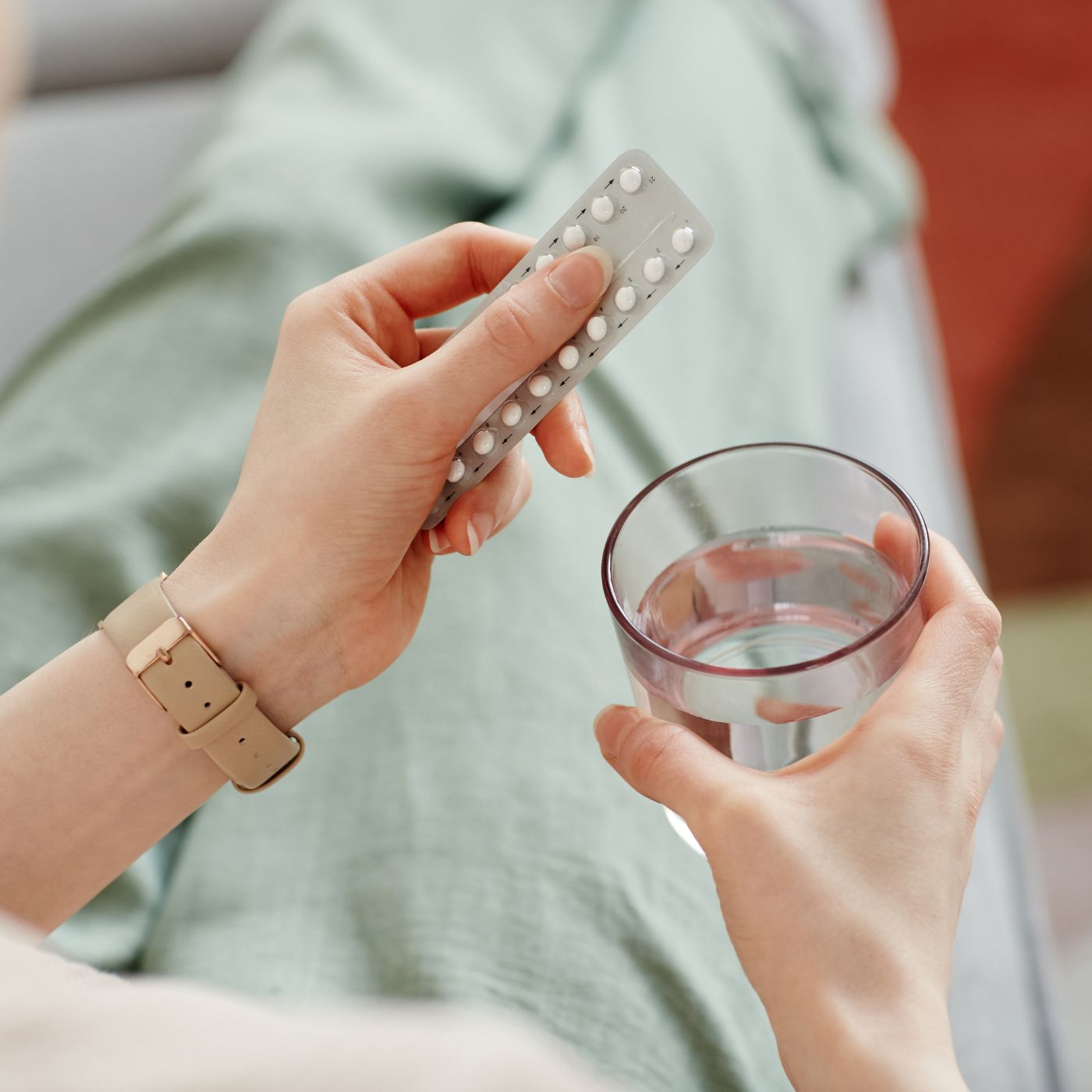
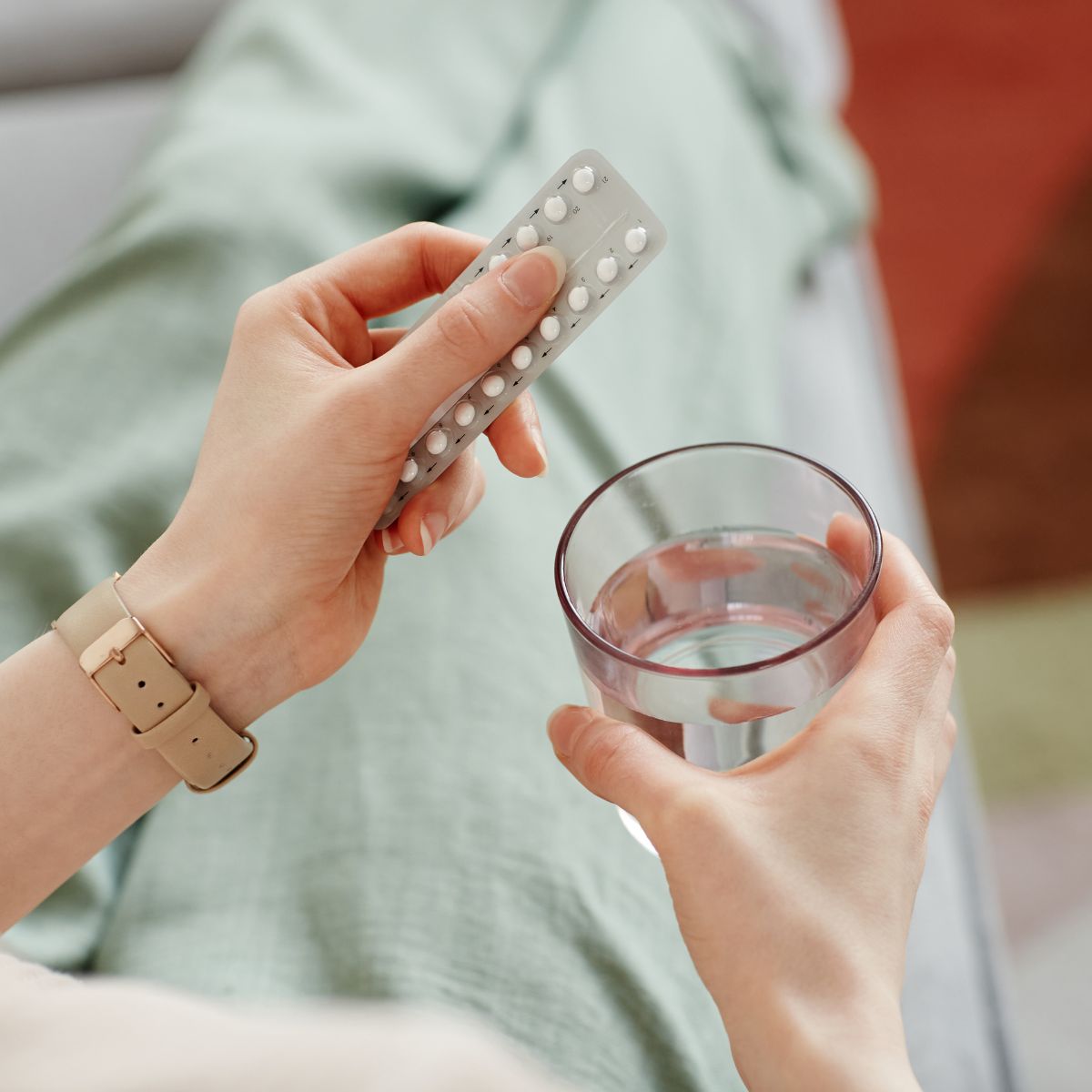
The combined pill is the most commonly prescribed type of pill. It contains both progestogens and estrogens. The combined pill is usually taken over 21, 22 or 28 days. In blister packs containing 28 tablets, the last tablets are free of active ingredients and serve only to maintain a taking routine and to avoid taking errors. During the pill break, bleeding occurs due to the withdrawal of estrogens.
The combined pill is also divided into single-phase and multi-phase pills. In single-phase preparations, all tablets contain the same dose of hormones. This type is the most common. Multi-phase preparations, on the other hand, are differently dosed and must therefore be taken in the specified order. They are intended to imitate the natural fluctuations, but this has no medical benefits.
How does the combined pill work?
The combination pill interrupts the communication between the brain and the ovaries through the continuous supply of artificial hormones. Due to the high level of progesterone (progestogen), no FSH and LH are released, which control the natural menstrual cycle. This prevents egg maturation and ovulation. The progestogen prevents the uterine lining from building up, so that even if fertilization were to occur, the egg could not implant. In addition, under the influence of progestogens, the cervical mucus remains thick, so that sperm cannot penetrate it.
And what is the combined pill for estrogen?
The estrogen in the combined pill causes the uterine lining to build up slightly and during the pill break, a withdrawal bleed gives the impression of a regular bleed. This withdrawal bleed has no medical benefit and is purely cosmetic. However, estrogen is also intended to reduce breakthrough bleeding and keep the endometrium healthy in the event of pregnancy.
What is the micro-pill?
The micro-pill is a combination pill whose estrogen content is lower than that of the first pill preparations. Today's prescribed combination pills are usually micro-pills.
How safe is contraception with the combined pill?
With a correctly taken combined pill, only 3-10 out of 1000 women become pregnant within a year. In everyday use (i.e. including incorrect use and other factors), 24-70 women out of 1000 become pregnant per year despite taking it.
Combined pill side effects
The actual list of side effects in the package leaflet of a contraceptive pill is significantly longer. We counted over 150 in a randomly selected pill brand. Here is an excerpt:
- Nausea
- Dizziness
- Headaches
- Mood swings, depressive mood
- Loss of sexual desire
- Breast tenderness
- Water retention
- Increased risk of thrombosis (especially in the first 6 months), heart attack, stroke, cancers
According to the pill manufacturer, many of the symptoms should disappear within 3 months of starting the pill.
Combined pill benefits
What benefits does the combined pill have as a contraceptive method?
- It is a reliable contraceptive method.
- It is easy to use.
- The withdrawal bleed is usually lighter, shorter and/or less painful than the menstrual bleed.
- Hormone-related acne can improve by taking the pill.
Combined pill disadvantages
What disadvantages does the combined pill have as a contraceptive method?
- It contains synthetic hormones that have side effects.
- Despite its easy use, disciplined and regular taking is necessary.
- Supply of synthetic hormones even when no contraceptive protection is needed.
- When stopping the combined pill, hormonal fluctuations can occur, which can worsen existing hormonal symptoms such as acne.
- Awareness of a natural cycle is lost.
- It does not protect against sexually transmitted diseases, so additional use of a condom is recommended.
Pill without estrogen - The mini-pill
The mini-pill or gestagen pill contains only progestogens, so it is a pill without estrogen. The most commonly used progestogens are desogestrel and drospirenone, while levonorgestrel is rather outdated. The mini-pill is usually taken without a pill break. However, drospirenone preparations contain 4 tablets without active ingredients, so withdrawal bleeding can occur.
How does the mini pill work?
The progestogens prevent communication between the ovaries and the brain, so that no natural cycle is maintained. The build-up of the uterine lining is prevented, so that a fertilized egg cannot implant, and the liquefaction of cervical mucus is prevented, so that sperm cannot penetrate the mucus. Preparations with desogestrel and drospirenone also prevent ovulation.
How reliable is contraception with the mini pill?
With a correctly taken combined pill, only 3-10 (desogestrel and drospirenone) or 4-14 (levonorgestrel) out of 1000 women become pregnant within a year. In everyday use (i.e. including incorrect use and other factors), 24-70 out of 1000 women become pregnant each year despite taking it.
Mini pill side effects
The mini pill is supposed to have fewer side effects than the combined pill. The most common ones are similar to those of the combined pill.
- no regular bleeding
- cycle irregularities
- acne and hirsutism possible
- headaches
- mood swings, depressive moods
- loss of sexual desire
- breast tenderness
Mini pill benefits
What are the advantages of the mini pill as a contraceptive?
- It is as reliable as the combined pill, but contains only one type of hormone.
- Has fewer side effects than the combined pill
- Can also be taken by women who are not allowed to use estrogens.
- Breastfeeding women can also use the mini pill.
- Withdrawal bleeding is lighter and less painful than menstrual bleeding.
Mini pill disadvantages
What are the disadvantages of the mini pill as a contraceptive?
- Contains hormones that have side effects.
- The mini pill with levonorgestrel must be taken every day at exactly the same time, otherwise the effect will be interrupted.
- Requires great discipline in taking it.
- Supply of synthetic hormones even when no contraception is needed.
- When stopping the combined pill, hormonal fluctuations can occur, which can worsen existing hormonal problems.
- Awareness of a natural cycle is lost.
- Does not protect against sexually transmitted diseases, so using a condom in addition is recommended.
The pill for men
Well, here I may have overpromised you a little. Because despite ambitious research, there is still nothing new to report in this direction. The pill for men still does not exist. Although there are many possibilities, e.g. preparations that reduce the sperm count (with fewer than 1 million sperm per milliliter of ejaculate, fertilization is very unlikely) or preparations that restrict the mobility of sperm.
It was not that long ago that a published study showed very good results regarding a preparation for men. It is safe and fertility returns to normal after stopping it. Why is this pill not on the market yet? Because of the side effects: weight gain, depression, loss of libido, night sweats. Since it was assumed that these side effects would make its use unattractive, the research was discontinued. A plant extract from Justicia gendarussa, which temporarily makes men infertile, and a medication with triptonide, which reduces sperm mobility, were also not further pursued due to a lack of long-term observation.
How is the pill taken?
As a rule, taking the pill begins on the first day of the monthly period. The specific intake, such as the duration of a cycle, pill break, etc., depends on the type of pill, but all types have in common that they must be taken very regularly and daily.
The safety of the combined pill is lost after a 12-hour delay in taking it (exception: pills with nomegestrol can have a 24-hour difference).
Depending on the active ingredient, the mini pill is less tolerant of a delayed intake than the combined pill. With desogestrel, taking it can be delayed by a maximum of 12 hours, with drospirenone by a maximum of 24 hours, and with levonorgestrel by a maximum of only 3 hours, so that contraceptive protection is not lost.
What can I do wrong when taking the pill?
Taking the pill is very simple, but also has some pitfalls. For example, forgetting a tablet or taking it too late (e.g. due to a time difference on vacation) can lead to the loss of contraceptive protection depending on the duration of the interruption. Even if you miss the start after the pill break, there is no protection. If you vomit or have diarrhea within 3 hours after taking the pill, you will very likely need to take a second tablet to maintain protection. Certain medications can affect the effect of the pill. These include preparations with St. John's wort as well as special medications for epilepsy, viral infections, or tuberculosis.
Did you forget to take the pill? In most cases, you should take the next pill as soon as possible. You should also check your contraceptive protection and use additional contraception if necessary. Be sure to talk to your gynecologist about this. For initial reassurance, there are also online tests (e.g. here from familienplanung.de) that can help you assess the situation.
How much does the pill cost?
The cost of the pill varies greatly depending on the manufacturer, the hormones used, the dosage and the quantity. For a three-month supply, you can expect to pay between 15 and 60 euros.
Your decision
You should carefully consider whether to choose the pill as a contraceptive. The pill is an effective contraceptive, but it does not protect against sexually transmitted infections. If you have multiple sexual partners, you must always use a condom in addition to the pill. It is therefore better suited to long-term relationships. However, you should carefully weigh whether it is worth the risk of numerous side effects and the impact on your hormonal system compared to using hormone-free contraceptive methods. For certain medical conditions such as endometriosis, PMDD or PCOS, the pill may be an option for relieving symptoms. However, if you are considering it purely for cosmetic reasons, such as clearer skin or larger breasts, or because it can prevent menstrual bleeding, we recommend that you carefully research the possible side effects and consequences.